How Inflammation Contributes to Joint Pain
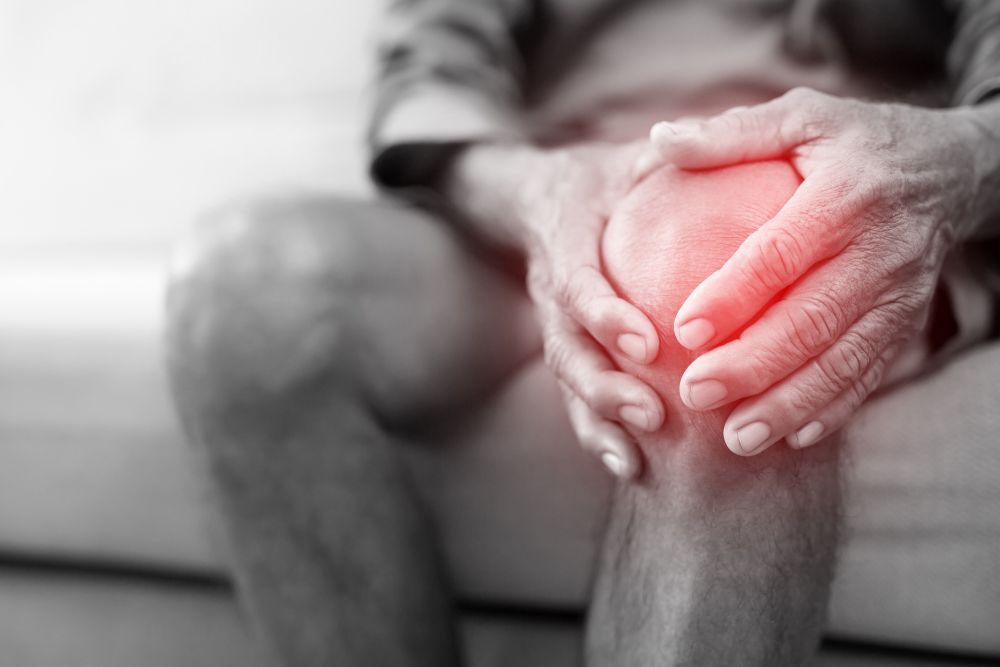
When a joint becomes painful, stiff, swollen, or warm, it usually signals inflammation. Inflammation is a natural immune response to injury, irritation, or an underlying health condition. To repair damaged tissue, the body increases blood flow to the area, allowing fluid and immune cells to gather and begin the healing process. While these changes are meant to support healing, they can also create pressure within and around the joint, irritating nearby nerves and making movement uncomfortable.
In many cases, this inflammatory response is temporary and resolves as the affected tissues heal. When inflammation persists, however, it can become a source of ongoing pain and stiffness and may eventually contribute to further damage.
What Causes Joint Inflammation to Persist?
Several conditions can trigger or prolong inflammation in and around a joint, including:
- Osteoarthritis: This is the most common form of joint arthritis, which develops as the cartilage cushioning a joint gradually breaks down over time. As that protective layer thins, bones move with less cushioning between them, and the surrounding tissue can become inflamed in response.
- Rheumatoid arthritis (RA): An autoimmune disease that occurs when the immune system mistakenly targets healthy tissue. RA causes the immune system to attack the synovium, a thin layer of cells that line the joints and produce joint fluid. This causes ongoing inflammation that can eventually damage the cartilage and bones of affected joints.
- Overuse and repetitive strain: A sprain that doesn't fully heal, or repeated stress from activities like running or lifting, can keep joint tissue in a constant state of low-level irritation. Athletes and those with physically demanding jobs are especially prone to this pattern.
Managing Inflammation Through Lifestyle and Treatment
Lifestyle changes can help manage or prevent some inflammation. For example, low-impact movement and exercises can help strengthen the muscles surrounding a joint and improve range of motion. Additionally, a balanced diet with omega-3-rich foods, leafy vegetables, fruits, and whole grains can help reduce inflammation.
However, lifestyle changes alone aren't always enough. Depending on what's driving joint inflammation, treatment for joint pain may include:
- Interventional pain management, such as injections that target the source of pain and inflammation
- Physical therapy to restore strength and mobility around the joint
- Chiropractic care to improve alignment and reduce mechanical stress
For many patients, the most effective treatment plan includes a combination of approaches rather than relying on one method alone.
Finding Lasting Relief for Joint Pain
When joint pain is treated without identifying the root cause of discomfort, relief is often short-lived. That’s why at Visco Spine & Joint Center, we focus on understanding what is driving your symptoms before recommending treatment.
By identifying whether inflammation is related to an injury, overuse, arthritis, or another underlying condition, we can develop a personalized plan aimed at reducing pain, improving mobility, and helping you return to the activities you enjoy.
If joint pain or stiffness has been a persistent issue, schedule an appointment at one of our convenient locations in Hoboken, Jersey City, Bayonne, or Wyckoff and take the first step toward meaningful, long-term relief.