How Smoking Can Affect Your Spine Health
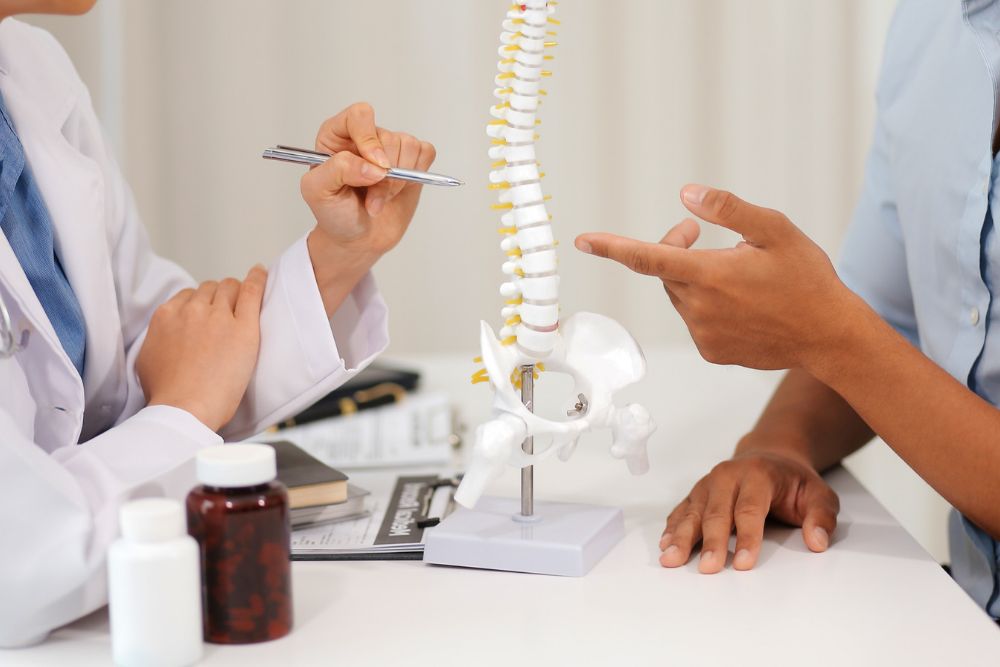
If you smoke and live with back or neck pain, the two may be connected. Smoking affects nearly every tissue in the body, and the spine is no exception. Research suggests that smoking can accelerate disc degeneration, reduce bone density, and interfere with recovery after an injury or procedure.
Here's what to know about the relationship between smoking and spine health, and why addressing tobacco use may be an important part of your overall spine care.
How Smoking Affects Blood Flow to the Spine
Like other parts of your body, your spine depends on a steady supply of oxygen and nutrient-rich blood to maintain healthy tissues. The intervertebral discs are cushions that sit between the vertebrae, absorbing force and allowing the spine to move. Unlike most tissues, however, they do not have their own extensive network of blood vessels. Instead, they rely on small blood vessels in the neighboring vertebrae. Oxygen and nutrients pass from these vessels through the vertebral endplates, the thin layers of cartilage and bone at the top and bottom of each disc. From there, they slowly diffuse into the disc tissue.
Because this supply route is indirect, discs are especially sensitive to changes in circulation. Smoking reduces circulation in several ways:
- Nicotine narrows blood vessels.
- Other compounds in tobacco smoke damage the inner lining of blood vessels over time.
- Carbon monoxide from smoke binds to red blood cells, which lowers the amount of oxygen the blood can carry.
Together, these effects can reduce the oxygen and nutrients available to spinal discs and other supporting tissues. Reduced circulation can also affect the muscles, ligaments, and bone that support the spine.
Smoking and Degenerative Changes in the Spine
Spinal discs naturally change with age. They gradually lose water, become thinner, and absorb shock less effectively. This process, called disc degeneration, is a common part of aging, although research indicates smoking can accelerate it.
When the cells responsible for maintaining disc tissue receive less oxygen and fewer nutrients, they can become compromised, which can lead to a faster loss of water content and disc height. As discs deteriorate, they become less effective at cushioning the vertebrae and absorbing shock, which can place additional stress on surrounding joints and other spinal structures. Over time, these changes may contribute to stiffness, chronic back or neck pain, and, in some cases, nerve irritation.
How Smoking Affects Bone Density
In addition to affecting the discs between your vertebrae, smoking can also weaken the bones that make up your spine. Bone tissue is constantly being broken down and replaced, but chemicals in tobacco smoke can interfere with this process. Over time, this can lead to low bone density or osteoporosis, a condition in which bones become porous and fragile.
The spine is one of the most common sites of osteoporosis-related fractures. Weakened vertebrae can develop compression fractures, sometimes from minor strain such as lifting, bending, or a sneeze. These fractures can cause sudden or ongoing back pain, loss of height, and a forward-curved posture. Some fractures may go unnoticed until they are found on imaging.
Although smoking is only one of several factors that influence bone density, avoiding tobacco use can help protect bone health and reduce the risk of future complications.
How Smoking Can Interfere With Healing and Recovery
When the spine is injured, the body depends on a steady supply of oxygen, nutrients, and repair cells delivered through the blood to rebuild tissue. Therefore, reduced blood flow caused by smoking can often delay the healing of injured spinal muscles, ligaments, and other tissues. Studies have also linked smoking to increased wound complications, longer hospital stays, and poorer outcomes following spine surgery.
Finding the Right Approach to Spine Pain
Although some degenerative changes cannot be reversed, quitting smoking can improve circulation, reduce ongoing damage, and support your body's ability to maintain and repair tissues.
If you are experiencing persistent back or neck pain, however, quitting smoking may not be enough to address the underlying problem. Spinal pain can develop for many reasons, and a thorough evaluation can help identify which factors are contributing to your symptoms.
At Visco Spine & Joint Center, our team specializes in diagnosing and treating painful conditions affecting the spine and surrounding structures. Our board-certified pain management physicians develop individualized, non-surgical treatment plans that may include interventional pain management, physical therapy, and other supportive treatments based on each patient's needs.
With convenient locations in Hoboken, Jersey City, Bayonne, and Wyckoff, our team helps patients throughout the region address persistent back and neck pain. If you are experiencing ongoing discomfort or limitations in your daily activities, contact us to schedule an evaluation and learn more about your treatment options.