


Sciatica Flare-Ups: What Triggers Them and How to Manage Day-to-Day Pain
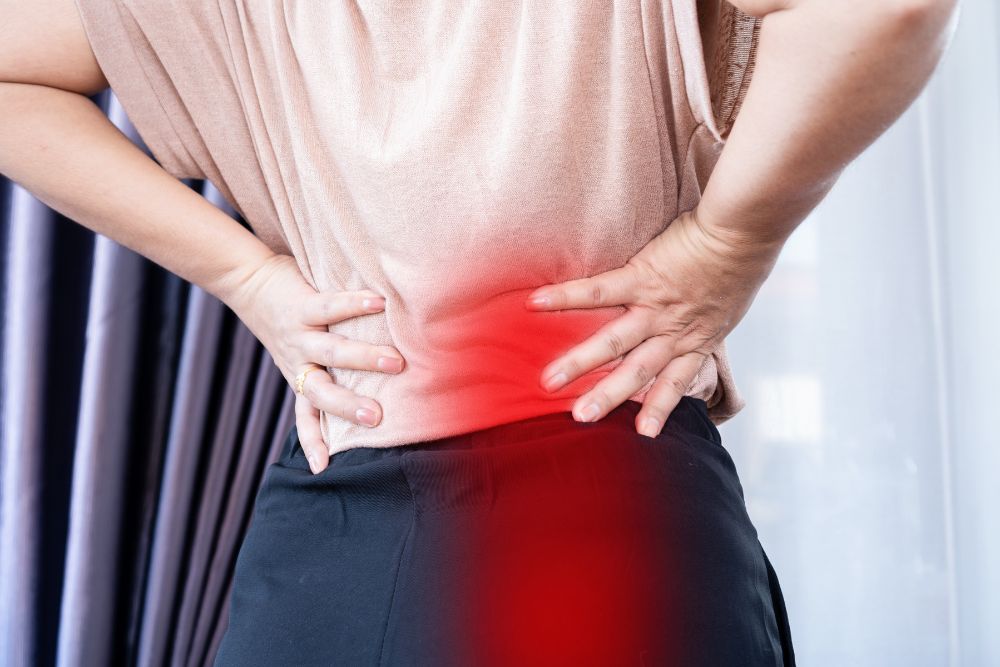
Sciatica refers to pain that travels along the sciatic nerve, which runs from the lower back through the hips and down each leg. It can feel like a sharp, shooting pain, often accompanied by tingling, numbness, or leg weakness. For many people, symptoms come and go, with periods of relative comfort followed by flare-ups that can make it difficult to sit, walk, or sleep. Understanding what triggers a flare-up and when symptoms might indicate something more serious can help you keep sciatica from taking over your day-to-day activities.
Common Everyday Triggers of Sciatica Flare-Ups
Sciatica flare-ups often happen in response to routine activities or habits that put extra pressure on the lower back, which can narrow the space around the sciatic nerve and cause irritation.
Some of the most common triggers include:
- Prolonged sitting: Sitting for long stretches can increase pressure on the lower spine and sciatic nerve. Many people notice more discomfort after long workdays, commutes, or travel.
- Lifting or bending improperly: Sudden or awkward movements, especially when lifting something heavy, can strain the lower back and lead to a sudden increase in symptoms.
- Posture: Poor posture while sitting or walking can increase stress on the muscles of the lower back, which may irritate the sciatic nerve.
Once you notice what triggers your symptoms, you can begin to make small changes to your routine that can help reduce the risk of future flare-ups.
Strategies to Help Manage Symptoms
There are several simple strategies you can use between treatments to help manage your symptoms:
- Take movement breaks: If you sit for long stretches, try standing or walking every 30–60 minutes. Gentle movement can reduce pressure on the sciatic nerve and keep muscles from tightening.
- Support your posture: Use chairs that support the natural curve of your lower back. A lumbar cushion or small rolled towel can help maintain alignment during the workday or while driving.
- Lift with your knees: Bend at the knees, keep items close to your body, and avoid twisting when lifting. If something feels too heavy or awkward, it’s best to ask for help.
- Incorporate gentle stretching: Light stretching for the hips, hamstrings, and lower back can help reduce tension. If you’re unsure which stretches are appropriate, our physical therapists can guide you.
When Sciatica Needs Medical Attention
It’s common for sciatica symptoms to settle within a few days with activity modification and over-the-counter pain relief. However, you may want to seek medical attention if you experience:
- Pain that becomes more frequent or severe
- Pain that affects daily activities
- Swelling in any part of the lower back, thigh, and/or leg
- Severe weakness or loss of sensation in the groin, legs, and/or genital area
- Flu-like symptoms such as fever, chills, and/or night sweats
- Loss of bowel or bladder function
If you’re already following a treatment plan and your symptoms start to return or worsen, it may be a sign that your care plan needs to be adjusted.
How Interventional Care Can Help Manage Sciatica
For many patients, interventional pain management can play an important role in reducing both the frequency and intensity of flare-ups over time.
At Visco Spine & Joint Center, treatment plans are designed to address the underlying source of nerve irritation, not just the symptoms. Targeted, minimally invasive procedures, such as injections or radiofrequency ablation, can help calm inflammation around the affected nerve, create more space within the spine, and support improved mobility. By reducing irritation at its source, many patients find that flare-ups become less severe and easier to manage when they do occur.
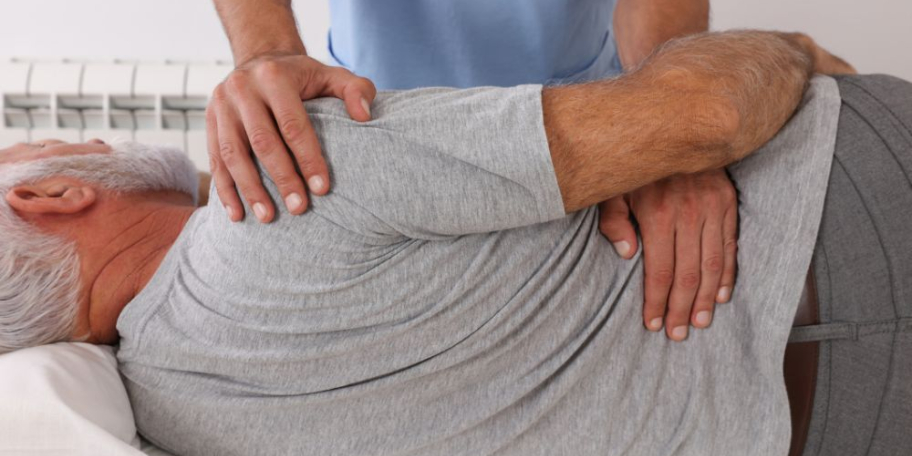
Interventional care is often most effective when paired with supportive therapies that improve how the spine and surrounding muscles function. Therefore, many patients benefit from a combined approach that may include chiropractic care to improve alignment and reduce mechanical stress on the lower back, as well as physical therapy to strengthen core and hip muscles, improve flexibility, and support better posture and movement patterns. Together, these therapies can help reduce strain on the sciatic nerve and support longer-lasting relief.
If your sciatica flare-ups are happening more often, lasting longer, or starting to interfere with daily life, it may be time to seek an evaluation. Schedule a visit today to explore treatment options and take the next step toward finding relief.